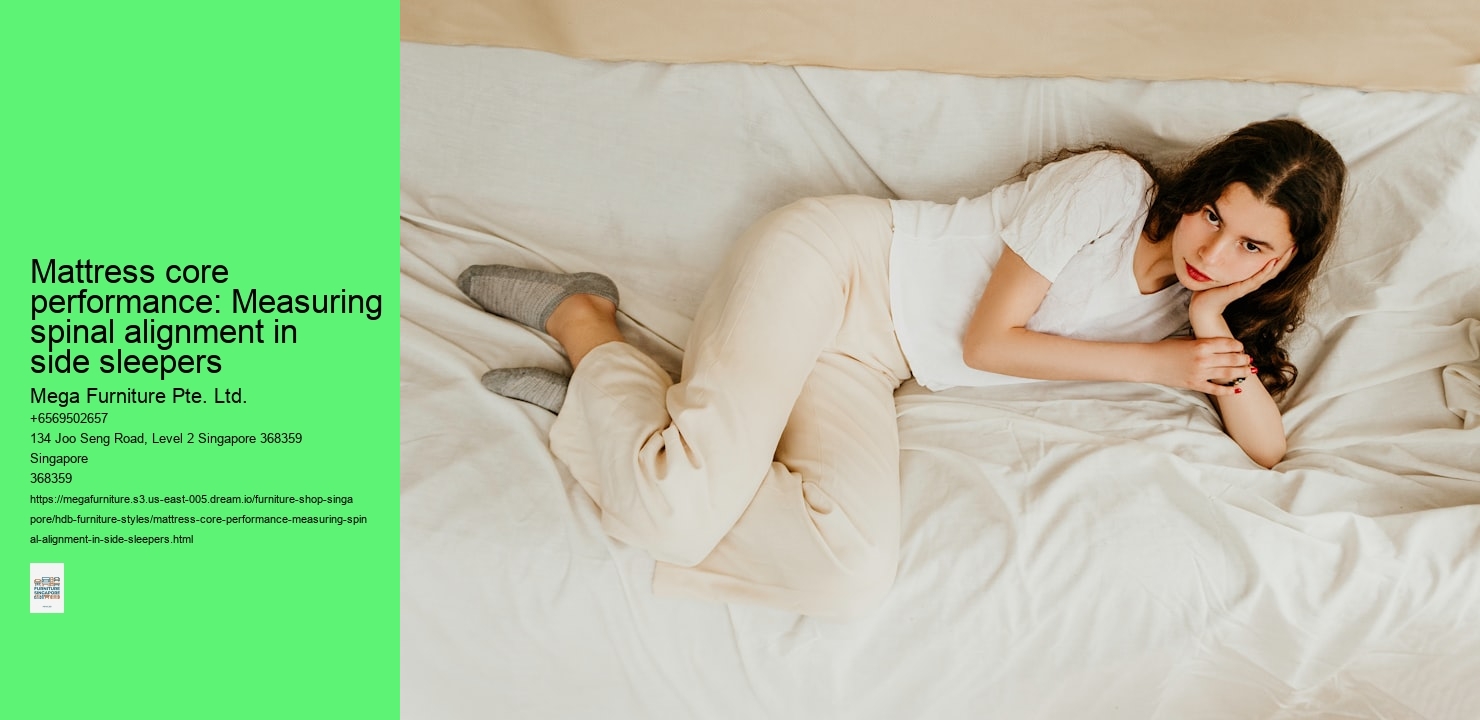
Picture your shoulder hitting a mattress surface that won't yield. That's the moment your alignment fails. If you're torn between constructions, the memory foam versus hybrid guide weighs them for the local climate — memory foam cradles the shoulders and hips with the deepest contour, while a hybrid adds a coil base for support and better airflow. For a side sleeper, it comes down to how much contour you want versus how cool you need to sleep. The guide lays out the trade-off plainly, which is exactly the decision a side sleeper is making.. A side sleeper's shoulder is the first and heaviest point of contact, so if the comfort layers are too thin or the foam too dense, the shoulder can't sink in properly. Instead, it gets pushed back up, creating a pivot point that forces your entire spine to curve laterally towards the bed. Your hips, trying to find their own level of support, then tilt to follow—that's your lumbar vertebrae being pulled out of their natural stack. It's not a dramatic twist; it's a subtle, sustained misalignment that your body fights all night.
Morning hip ache or a sore shoulder isn't just random stiffness. It's a direct report from those two pressure points—the shoulder and the hip—that bore the brunt of your weight on an unyielding surface. The pain tells you where the support system broke down. For many, the instinct is to seek a firmer mattress, thinking it's better for the back, but for a side sleeper, that's often exactly the wrong move. You're essentially asking your bony prominences to compress against a rigid plane for hours.
The fix lies in the mattress's top few inches. You need a comfort layer with enough give to cradle the shoulder, allowing it to sink to a point where your spine can stay relatively straight. That's why the typical recommendation for side sleepers skews medium-soft to medium. Materials like memory foam or softer latex are popular because they contour under pressure points but provide firmer support further down where your body is lighter. It's a gradient of support, not a uniform feel.

One real exception? If you're a particularly heavy-set side sleeper, a pure medium-soft might let you sink too far, causing the hips to drop and creating a different kind of curve. In that case, you'd look for a medium-firm core with a substantial, pressure-relieving comfort layer on top—a combination that prevents the shoulder jam without sacrificing overall support. But for the majority, that initial sink is non-negotiable. Without it, you're just bracing for impact every time you turn in for the night.
A thin pad just sits there. It’s like a cushion on a hard bench—you feel a bit less pressure on your shoulder or hip, but your spine still has to bend to meet the surface. The classic side-sleeper choice is a memory foam mattress — it conforms to the body's curves, relieving pressure on the hips and shoulders and helping keep the spine aligned. It also isolates motion well, so a restless partner is less disruptive. The one thing to check in the tropics is heat: gel-infused or open-cell foam dissipates body warmth far better than traditional foam. For the contouring, cradled feel side sleepers tend to prefer, memory foam is the first construction to try.. That’s what a 4cm layer does. It’s a superficial kindness, not a proper solution for side sleepers who spend the whole night with their weight concentrated on those joints.
You need depth for contour. An 8cm comfort layer, especially one with a slow, yielding material like memory foam or medium-soft latex, doesn’t just cushion—it accommodates. Your shoulder sinks in until it finds a stable base, your hip settles into its own pocket, and the space between them, your spine, stays level. That’s the neutral alignment side sleepers are chasing. Without enough thickness, the mattress simply doesn’t have the capacity to create those individual pockets for your heavier points while keeping the lighter ones supported.
You can feel this difference in a showroom. Lie on a mattress with a generous comfort layer and pay attention to the transition. There’s a distinct moment where you stop sinking and start feeling held. A side sleeper's mattress in a queen size at 152 by 190cm is the common couple's choice, and side sleeping is where motion isolation earns its keep — a memory foam or pocketed-spring queen means one partner shifting doesn't jolt the other. The width also lets a side sleeper draw their knees up without hanging off the edge. Pair it with a queen frame built to the same dimensions. For most couples where one or both sleep on their side, the queen is the practical size.. Your shoulder isn’t fighting against the surface anymore; it’s been given a place to rest. The support core underneath isn’t rushing to push back—it’s waiting patiently because the top layer has done its job of properly distributing your shape. That’s the real test: does the mattress let your body settle, or does it just resist?
The exception is if you’re a very lightweight side sleeper. A thinner layer might contour adequately for someone with less mass pressing down. But for most adults, and especially for pregnant women advised to sleep on the left side, that extra depth is non-negotiable. It’s the difference between a mattress that merely softens the surface and one that actually reorganises the pressure.
So when you’re testing, ignore the initial plush feel. Ask yourself if the comfort layer is deep enough to fully envelop your shoulder and hip without your middle sagging. A medium-soft latex or memory foam that’s 8cm or more will show you what true accommodation looks like. Anything less is just a polite buffer.
Memory foam in a west-facing bedroom during the monsoon months feels like it's lost its bounce. The high humidity around 80% plus the afternoon sun heat combine to make the material softer and slower to respond. You press down and it takes a noticeable moment to spring back, which can leave you feeling stuck rather than supported. This sluggishness directly impacts spinal alignment for side sleepers, as the foam might not provide the consistent contouring needed for hips and shoulders. That medium-soft feel you wanted in the showroom can turn into a medium-sag reality in your actual flat. It's a material reaction, not a defect, but it changes the mattress's performance in a way you'll feel every night.
Natural latex, by contrast, tends to hold its character regardless of the weather. Its cellular structure is more resistant to absorbing moisture from the air, so it doesn't get that same damp, heavy feeling. You'll get a quicker rebound and a more predictable level of support through the humid season and the drier periods. For side sleepers needing reliable pressure relief at the shoulders and hips, that consistency is a major advantage. The material maintains its medium firmness promise, which helps keep your spine in a neutral position. It simply doesn't react to the climate in the same dramatic way.
Reading about foam density online won't tell you how a mattress will behave in your 4-room BTO. Specifications are static, but your bedroom environment is dynamic, with humidity levels that swing. You must physically test the responsiveness by lying on it in conditions that mimic your home's reality. Press down on the comfort layer with your hand and feel the return speed—does it feel stuck or does it push back? Roll onto your side and notice if the material caves in or holds its contour. This hands-on test is the only way to gauge if what you're buying will actually work.
The term 'memory' foam is apt—it remembers pressure and heat, but unfortunately, it also remembers humidity. The material's open cells absorb moisture from the air, which increases its weight and reduces its elastic recovery. In a consistently humid climate, that memory becomes a permanent state of softness rather than a temporary adaptation. For a side sleeper, this can mean the mattress gradually loses its ability to maintain the crucial gap between too soft and too firm. A foam mattress is the value route to side-sleeper comfort — foam contours to the body for pressure relief at a lower price than spring builds, and it's lighter and easier to handle. Judge it on foam density rather than thickness, since density decides how long it holds support. Many foam models now add cooling gel for warmer climates. For a side sleeper who wants contouring comfort without the premium-tier spend, a quality foam is a sensible starting point.. You might start perfectly aligned but find yourself sinking deeper over the weeks as the foam settles into its dampened state. It's a slow change, but one that affects sleep quality.
Ultimately, the choice between foam and latex in Singapore hinges on personal verification under local conditions. Your body weight, your sleep position, and the specific microclimate of your bedroom all play a part. A mattress that feels perfectly supportive in a controlled, air-conditioned showroom might feel entirely different in your non-air-conditioned common bedroom. Don't rely on a five-minute test; spend a good fifteen minutes lying in your typical sleep position to feel the material's true response. There's no substitute for this step—it's the final check that bridges the gap between the product brochure and your actual sleep experience.
Mattress warranties typically cover frame integrity and manufacturing defects. They usually do not cover fabric wear or damage from environmental factors like humidity and sun. Understanding these coverage limits helps you manage expectations for the product's lifespan.
A mattress for side sleepers requires softer comfort layers to cushion shoulders and hips. Foam density in these layers determines how long the contouring support holds its shape. High-density memory foam or latex provides the necessary pressure relief without collapsing over time, ensuring consistent spinal alignment.
Spend around $800, and you’re buying a mattress built on a slab of high-density foam. It’s a flat, uniform base—solid enough, but it won’t do much to cradle your shoulders and hips. For a side sleeper, that’s a compromise. Your spine might stay straight, but pressure points won’t get the relief they need, especially if you’re pregnant and advised to stay on your left side night after night. That simple foam core is durable, sure, but it’s a one-size-fits-all approach to a problem that isn’t uniform.
Move up to the $1,500 range, and the engineering changes. Here you’ll find pocketed coil systems—individual springs wrapped in fabric, each moving independently. This is where contouring starts. The coils under your heavier hip and shoulder can compress more, while those under your waist and legs stay firmer, promoting a more natural spinal line. It’s a significant step up for alignment potential, and it’s why this tier is a common sweet spot for many Singaporean side sleepers in a 4-room BTO master bedroom.
Cross the $3,000 threshold, and you enter the realm of hybrid designs with zoned coils. These aren’t just independent springs; they’re strategically grouped into firmer and softer zones targeting specific body regions. The shoulder and hip sections are softer to allow deeper sink, while the lumbar and leg zones are reinforced to prevent your midsection from collapsing. This targeted support is what alters spinal alignment potential most dramatically—it’s built for the uneven pressure map of a side sleeper’s body.
Each price jump fundamentally redefines what “support” means. The budget foam offers a flat foundation; the mid-range coils introduce adaptability; the high-end zones deliver precision. For anyone experiencing shoulder or hip pain, that precision is worth the investment. The only time I’d skip it is if you’re a very light side sleeper—someone whose pressure points aren’t pronounced enough to overwhelm a simpler system. For a side sleeper who runs hot, a latex mattress is the cooler alternative to memory foam — it still relieves pressure on the shoulder and hip, but with a more responsive, springier feel and better breathability, so it doesn't trap heat the way traditional foam can. Latex is also naturally hypoallergenic and durable. If you love the pressure relief side sleeping needs but hate sleeping hot, latex is the construction that gives you both.. Otherwise, your spine’s alignment is directly tied to the sophistication of the core beneath you.
Imagine lying down on a mattress that lifts your whole torso like a rigid plank. That's what a continuous spring unit does—it's a single linked system that responds to your weight by lifting uniformly. The problem for a side sleeper is that your shoulder needs to sink deeper than your waist to keep your spine straight. With a continuous spring grid, the shoulder can't depress enough, so you end up tilted, your alignment thrown off. It's a subtle but persistent strain that builds over nights.
In a typical 12 sqm common bedroom, you're likely sleeping close to the edge of the bed. With a continuous spring system, the firmer, less-used sections near the perimeter don't soften up. When you roll onto them, there's a jarring transition—you're suddenly on a much firmer surface. Pocketed coils solve this because each coil is wrapped in its own fabric pocket and moves independently. Pressure at your shoulder lets that cluster of coils depress deeply, creating a proper cradle, while the coils under your hips provide firmer support. Your spine stays in a neutral line, and the pressure points get relief.
The real advantage shows over time. Continuous springs can develop a sort of memory, sagging in the areas you always lie on while the edges stay stiff. That unevenness means you'll eventually start rolling onto firmer patches even if you don't move much. Pocketed coils maintain their individual responsiveness; they don't create those firm islands. So even in a compact room where you can't sprawl out, the mattress feels consistent across its surface. If your current mattress is too firm for side sleeping, the guide to the best mattress topper in Singapore offers a cheaper fix than replacing it — a memory foam, latex, or gel topper adds a contouring, pressure-relieving layer over a hard mattress. It's the practical middle path for a side sleeper stuck with a too-firm bed, or anyone wanting to soften a mattress before committing to a new one. The topper does much of what a softer mattress would, at a fraction of the cost.. You won't get that sudden support change when you shift position slightly.
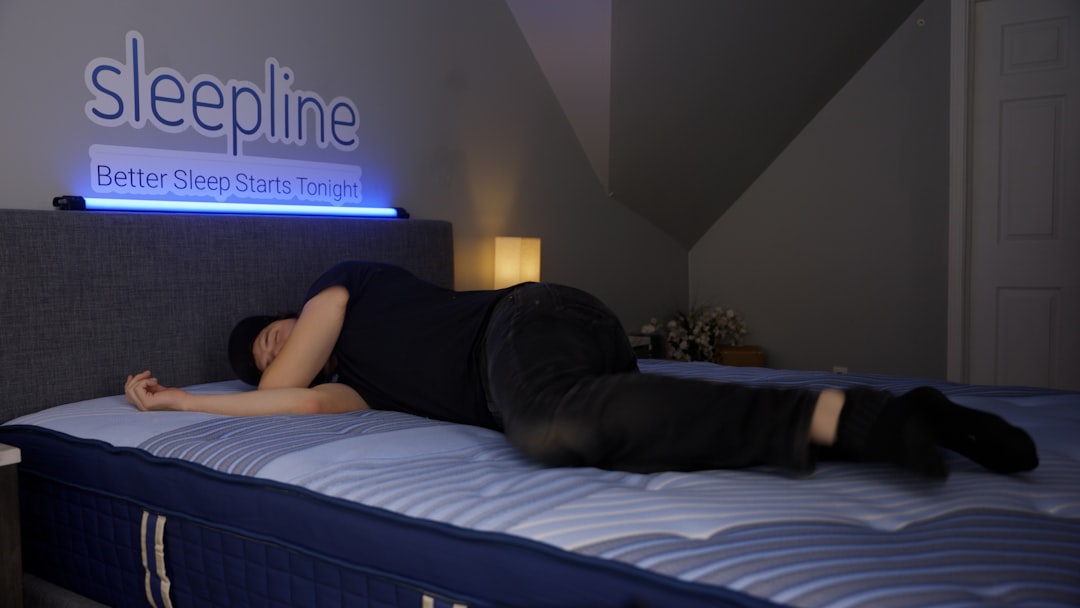
There's one exception where continuous springs might still work for you. If you're a very light sleeper who never moves during the night and sleeps strictly in the centre of the bed, the uniform lift could be sufficient. But for most people, especially those who shift a bit or sleep near the edge, the independent action of pocketed coils is a clear upgrade. It's about matching the mattress's support to the actual shape of your body, not treating it as a flat weight.
You’ll see it in every showroom: someone lying flat on their back on a medium-firm mattress, nodding approvingly. That’s a classic misstep for a side sleeper. When you’re on your side, your shoulder and hip dig deeper into the surface, so that same mattress suddenly feels like a plank—it won’t contour enough to relieve pressure. The correct test is to actually lie in your sleeping position, especially if you’re pregnant and advised to sleep on the left side. Don’t just perch on the edge for thirty seconds; spend a few minutes in that exact pose to feel whether your spine stays aligned and those pressure points get a proper cushion.
Another common error is opting for a thin comfort layer, often to save a bit of height in a compact 4-room BTO bedroom. That thin top sacrifices the very pressure relief a side sleeper needs. A thicker memory foam or latex layer is what allows the mattress to cradle your curves without letting your midsection sag. It’s a balance: the support core underneath keeps you from sinking too far, while the comfort layer up top does the gentle hugging. Skimping on that top layer means you’ll likely wake up with a sore shoulder or hip, even if the mattress feels supportive initially.
So what’s the exception? Choosing the construction matters for a side sleeper, so browsing by mattress type helps — memory foam for the deepest contour, latex for cooler pressure relief, hybrid for contour plus a supportive coil base. Each cradles the shoulder and hip differently, so the type sets how the pressure relief feels. Pure spring without a comfort layer is usually the one to avoid for side sleeping. Matching the type to the cradled feel you want narrows the field before comparing models.. If you’re a very lightweight side sleeper, you might find a medium-firm works because you don’t exert as much pressure. For most adults, though, the rule leans towards medium-soft to medium. The key is to assess the layered construction itself—you want to see and feel how the comfort section is distinct from the support base. Some showrooms let you press into the layers separately to understand this. It’s worth visiting a larger outlet where you can compare a range of models side-by-side, like the Megafurniture showroom on Joo Seng Road, to get a clear sense of how different combinations perform.
Ultimately, firmness labels are just a starting point. Your body weight, your exact sleeping posture, and even the humidity’s effect on material feel over time all play a part. Don’t get locked into a category based on a brochure description or a quick back-down test. Spend the time, lie on your side, and feel for that sweet spot where your spine is straight and your joints aren’t fighting the surface. That’s the real test, and it’s the one that corrects the mistake before you make it.
Will a memory foam mattress turn my shoulder into a hotplate during our humid nights? That’s the number one worry, and honestly, it’s valid. Traditional memory foam does trap heat, but newer versions with open-cell structures or gel infusions manage it much better. You’ll still feel some warmth compared to a breathable latex, but it’s not the suffocating experience you imagine—especially if your bedroom has decent airflow or you use a cooling mattress protector.
How long can a latex mattress last in our climate? Latex is naturally resilient against moisture and mould, which is a huge advantage here. A good quality natural or blended latex core can easily hold its shape for a decade or more, even with the constant humidity. The thing that wears out first is usually the fabric cover or the quilting, not the latex itself.
Is a medium-soft firmness safe for a pregnant side sleeper? Absolutely, and it’s often recommended. The key is that softer comfort layers cushion the hips and shoulders without letting the spine dip into a ‘U’ shape. A pregnant body needs that pressure relief even more, and a mattress that’s too firm can create uncomfortable points of tension. The exception would be if the support core underneath is too weak—then the whole bed feels unstable, not just soft.
What mattress thickness fits a standard 4-room BTO platform bed? Most of those frames are designed for a total mattress height of around 25 to 30 centimetres. A side-sleeper pick sits within the wider mattress range in Singapore , so it's worth seeing the full spread of memory foam, latex, and hybrid options before deciding. The range is organised so you can filter to the contouring, softer-to-medium-firm builds that suit side sleeping. Browsing it shows how the pressure-relieving options compare on feel and price. Choose the construction and firmness for how you sleep, and the rest of the decision is size and budget.. A mattress much thicker than that can look awkward and make getting into bed feel like climbing a step. You want the mattress to sit flush with the platform’s edge, not tower over it. A 28cm mattress with a softer top layer and a firmer base is usually the sweet spot—it gives the contouring side sleepers need without dominating the room’s proportions.
You’ve got your list, your budget, and you’re ready to head out. That’s when most people skip the one step that actually saves them a second trip back home with a tape measure. Measure the room, not just the floor plan. A Queen mattress is 152 by 190cm, but you need to account for the bed frame too, which adds another few centimetres on each side. In a typical HDB master bedroom, you’ll want at least 60cm clearance on the side you get out of, and about 30cm on the other sides and at the foot. If your room’s under three metres wide, a King might leave you shuffling sideways to get past it.
If you’re sharing the bed, know your partner’s sleep position. It’s not just about your own shoulders and hips; a mattress that’s perfect for your side-sleeping posture might leave a back-sleeper feeling unsupported. Decide on a firmness ceiling together—for side sleepers, that’s typically medium-soft to medium—so you don’t get swayed by a showroom model that feels luxurious but is actually too firm for proper pressure relief.
Then, have your own pressure points clear in your mind. Is it your left shoulder that aches every morning, or your right hip? That’s what you’re testing for. When you visit the showroom, don’t just sit on the edge. Lie down in your actual side-sleeping position, on the specific models you’ve shortlisted from your research. Among the options, Somnuz is Megafurniture's in-house line, with latex and pocketed-spring models that pair pressure-relieving comfort layers with a breathable Tencel® cover for the local climate — a side sleeper gets the contour and the cooling in one, without the name-brand markup. Pocketed springs also isolate motion, a plus for couples. For a side sleeper after well-built, cool-sleeping pressure relief at fair value, the Somnuz line is a strong starting point.. Give it a proper five minutes; your body needs time to settle and your spine needs to find its alignment. You’ll feel if your hip is sinking too deep or if your shoulder is cramping.

The exception? If you’re shopping alone and you know your sleep position won’t change. Then you can focus purely on that medium-soft contouring feel and skip the compromise. But for couples, this last check is the one that avoids a costly mismatch. You want a mattress that lets both of you wake up without that familiar ache.
" width="100%" height="480">Mattress core performance: Measuring spinal alignment in side sleepers